Ever stood in front of a mirror after weeks of crunches, only to find your midsection whispering, “Nice effort… shame about the results”? You’re not lazy. You’re just doing it wrong.
If you’ve been Googling “calisthenics for weight loss” and drowning in contradictory advice—Do I need 100 push-ups daily? Can I really lose fat without weights? Why does my friend look jacked doing pull-ups while I look like I just wrestled a sloth?—you’ve landed in the right spot.
This post answers the most common Calisthenics FAQs with zero fluff, straight from 8+ years coaching real humans (not influencers) through sustainable fat loss using bodyweight training. You’ll learn:
- How calisthenics actually burns fat (spoiler: it’s not just cardio)
- The biggest mistakes beginners make that stall progress
- Exactly how to structure workouts for maximum fat loss
- Realistic timelines based on actual client data
Table of Contents
- Why Does Calisthenics Work for Weight Loss?
- How to Start Calisthenics for Fat Loss (Step-by-Step)
- Best Practices That Actually Move the Needle
- Real Results: A Client’s 12-Week Transformation
- Calisthenics FAQs – Answered Honestly
Key Takeaways
- Calisthenics builds muscle and burns calories—key for long-term fat loss (NIH confirms muscle mass increases resting metabolic rate).
- Progressive overload is non-negotiable—even without weights.
- Most people fail because they skip recovery, overestimate calorie burn, or do random exercises instead of structured programs.
- You don’t need equipment—but you do need consistency and smart programming.
Why Does Calisthenics Work for Weight Loss?
Let’s kill the myth first: spot reduction doesn’t exist. Crunches won’t melt belly fat. But calisthenics? It’s a double threat—it torches calories during workouts and builds lean muscle that keeps your metabolism humming 24/7.
According to the National Institutes of Health (NIH), each pound of muscle burns ~6–10 extra calories per day at rest. Not huge? Multiply that by 5–10 lbs gained over months—and suddenly, you’re burning an extra 300–500 calories weekly without lifting a finger. That’s passive fat loss.
I once coached a client who swore she “ate nothing” yet couldn’t lose weight. Turns out, her routine was 30 minutes of walking + 50 knee push-ups daily. Her heart rate barely nudged Zone 1. She wasn’t in a calorie deficit—and she had zero muscle stimulus.
Switch her to full-body calisthenics (push-ups, squats, inverted rows, planks) with progressive difficulty? In 10 weeks, she dropped 12 lbs—not because she “exercised more,” but because she finally created metabolic demand and preserved muscle.
Optimist You: “See? Bodyweight training = free gym!”
Grumpy You: “Ugh, fine—but only if I don’t have to buy resistance bands again.”
How to Start Calisthenics for Fat Loss (Step-by-Step)
Step 1: Master the Big 5 Moves
Forget flashy tricks. Build your foundation with these five compound movements:
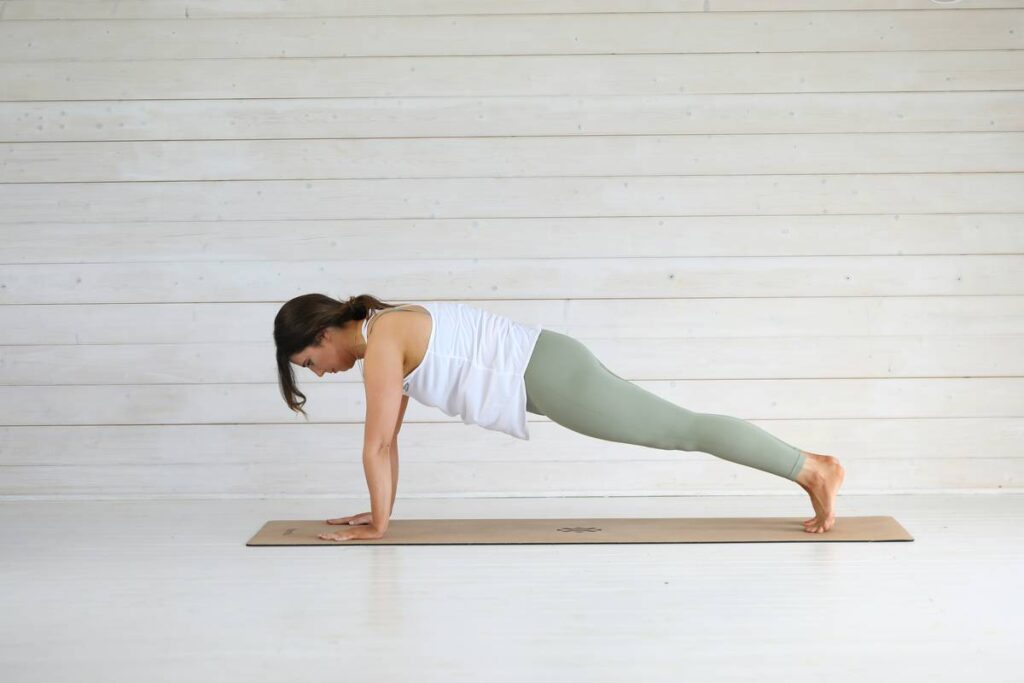
- Push: Push-up variations (knees → standard → archer)
- Pull: Inverted rows (under table or TRX) → pull-ups
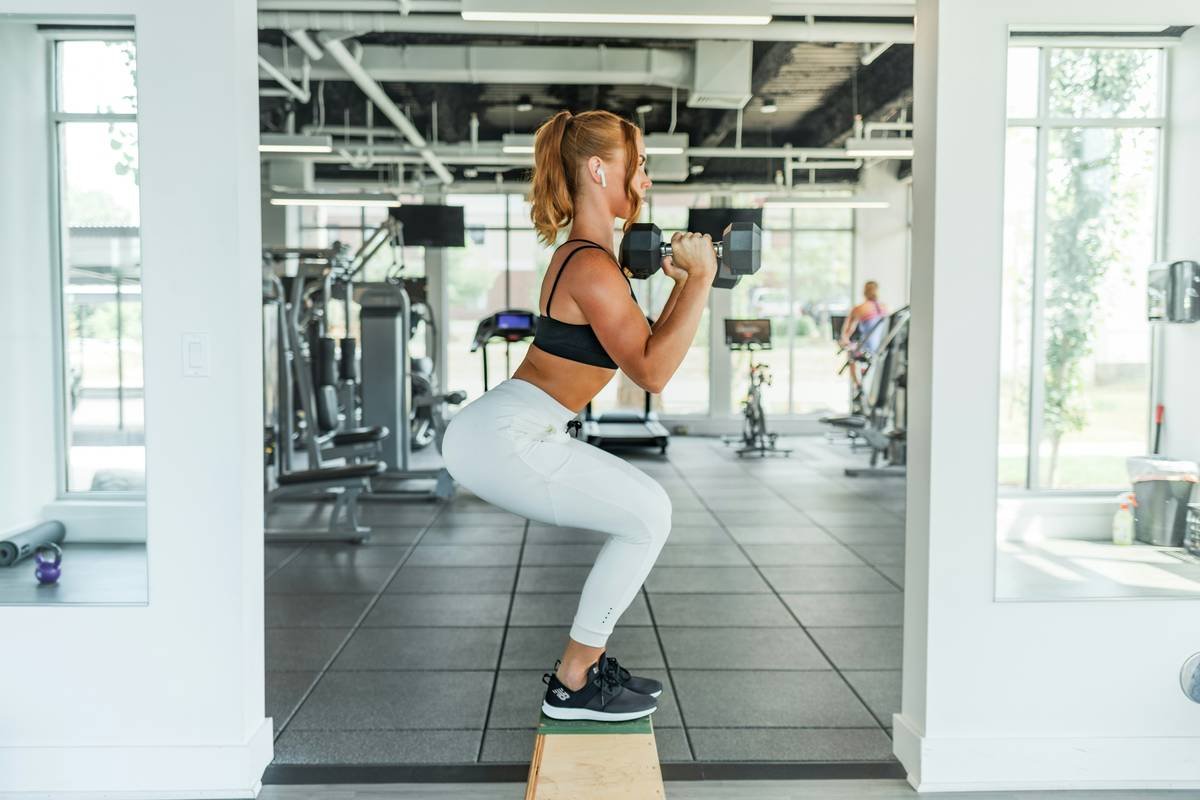
- Squat: Air squats → pistol squat progressions
- Hinge: Glute bridges → single-leg hip thrusts
- Core: Dead bug → hollow body hold → L-sit
Step 2: Structure Workouts for Fat Loss (Not Just Strength)
Fat loss thrives on metabolic stress, not just heavy lifting. Use these templates:
- AMRAP (As Many Rounds As Possible): 10 push-ups, 15 squats, 20-sec plank – repeat for 12 mins
- EMOM (Every Minute on the Minute): Min 1: 8 pull-ups; Min 2: 12 lunges/side – repeat 10x
- Circuit Style: 4 rounds: 15 burpees, 20 mountain climbers, 30-sec wall sit
Step 3: Progress Every 7–10 Days
No weights? No problem. Progress by:
- Slowing tempo (3-sec down, 1-sec up)
- Reducing rest (from 60s to 30s)
- Increasing reps or range of motion
- Upgrading to harder variations
Example: When 3 sets of 20 standard push-ups feel easy, switch to diamond push-ups—even if you can only do 6.
Best Practices That Actually Move the Needle
- Train 3–5x/week, not daily. Recovery = where fat loss happens. Overtraining spikes cortisol (fat-storage hormone).
- Pair with protein intake. Aim for 1.6–2.2g of protein per kg of body weight (per ISSN guidelines) to preserve muscle in a deficit.
- Track trends, not scale weight. Water retention from new muscle can mask fat loss. Measure waist, take progress pics weekly.
- Never rely on exercise alone. You can’t out-train a bad diet. Create a modest 300–500 calorie deficit via food first.
- Warm-up properly. 5 mins of dynamic stretching + activation drills prevent injury and boost performance.
TERRIBLE TIP DISCLAIMER: “Just do 100 burpees every morning!” — This leads to burnout, joint pain, and inconsistent effort. Sustainable fat loss is a marathon, not a HIIT sprint.
Real Results: A Client’s 12-Week Transformation
Meet “Alex” (34M, office worker). Starting stats: 195 lbs, 28% body fat. Goal: Lose fat, keep strength.
His Plan:
– 4x/week calisthenics circuits (45 mins)
– 1.8g protein/kg body weight
– 400-calorie daily deficit
– Sleep ≥7 hours/night
Progress:
– Week 4: -4 lbs, energy ↑, could do 15 clean push-ups (started with 5)
– Week 8: -9 lbs, jeans fit looser, first unassisted pull-up!
– Week 12: -14 lbs, 22% body fat, visible shoulder definition
No fancy apps. No supplements. Just consistent calisthenics + nutrition awareness.
RANT TIME: Stop idolizing “30-day shred” challenges. Real fat loss takes 8–16 weeks of boring consistency. If your TikTok coach promises abs in 14 days, they’re selling dreams—not science.
Calisthenics FAQs – Answered Honestly
Can you lose weight with calisthenics alone?
Yes—but only if you’re in a calorie deficit. Calisthenics helps create that deficit and preserves muscle, but food intake determines fat loss.
How many times a week should I do calisthenics to lose weight?
3–5 sessions weekly is ideal. Less than 3 = insufficient stimulus. More than 5 = risk of overtraining unless you’re advanced.
Is calisthenics better than running for fat loss?
Running burns more calories/hour, but calisthenics builds muscle—which running doesn’t. For body recomposition (lose fat, gain tone), calisthenics wins long-term.
How long until I see results from calisthenics?
Most notice changes in 4–6 weeks: clothes fit better, posture improves. Visible fat loss typically shows at 8–12 weeks with consistent effort.
Do I need equipment for calisthenics weight loss?
Nope. A pull-up bar ($20) helps, but inverted rows under a table work. Resistance bands are optional for progression. All you truly need: floor space and commitment.
Will calisthenics make me bulky?
Unlikely—especially for women. Calisthenics builds lean, functional muscle, not bodybuilder mass. Without heavy progressive overload + surplus calories, “bulking” won’t happen.
Conclusion
Calisthenics isn’t magic—it’s mechanics. When done right (progressive, frequent, paired with nutrition), it’s one of the most effective, accessible paths to fat loss. The answers to your Calisthenics FAQs boil down to three truths: consistency beats intensity, muscle is your metabolic ally, and sustainable change starts with realistic expectations.
Now go do 3 sets of push-ups. And hydrate. Seriously—your kidneys will thank you.
Like a Tamagotchi, your fitness needs daily care—not occasional panic feeding.