Ever canceled a gym membership after two weeks… again? You’re not lazy—you were just sold a weight-loss script that demanded $80/month, fancy gear, and 6am wake-ups. Meanwhile, your body—yes, that one you’ve been eyeing in the mirror—is already the ultimate fat-burning machine.
In this no-BS guide, we’ll unpack how bodyweight weight loss through calisthenics delivers real, sustainable fat loss without treadmills, kettlebells, or guilt. No fluff. Just science, street-tested routines, and the brutal truth about why most “30-day shred” plans fail.
You’ll learn:
- Why bodyweight training beats cardio for long-term fat loss
- How to design a progressive calisthenics plan that actually scales
- Real-world examples of people who lost 20+ lbs using only bodyweight moves
- The #1 mistake sabotaging your efforts (hint: it’s not “not working hard enough”)
Table of Contents
- The False Promise of Cardio-Only Weight Loss
- How Bodyweight Training Drives Sustainable Fat Loss
- Your Step-by-Step Bodyweight Weight Loss Plan
- Top 5 Bodyweight Fat Loss Tips (Backed by Science & Sweat)
- Real Results: Case Studies That Prove It Works
- Bodyweight Weight Loss FAQs
Key Takeaways
- Bodyweight weight loss works by combining strength, metabolic stress, and muscle retention—critical for avoiding rebound weight gain.
- Progressive overload is non-negotiable: you must make exercises harder over time (e.g., elevate feet for push-ups, add pauses).
- A 2022 meta-analysis in Obesity Reviews confirmed resistance training preserves lean mass during calorie deficits better than cardio alone.
- Consistency > intensity: 20 minutes daily beats 90-minute weekend warrior sessions.
- Nutrition still drives the bus—but calisthenics keeps your metabolism revving longer post-workout (hello, EPOC!).
The False Promise of Cardio-Only Weight Loss
Let’s be real: running on a treadmill while watching Netflix feels productive. But if you’ve ever lost weight doing steady-state cardio… only to gain it back (plus interest), you’ve experienced the “metabolic adaptation trap.”
Your body adapts. Fast. After 3–4 weeks of the same cardio routine, your resting metabolic rate dips, hunger hormones (like ghrelin) spike, and muscle loss creeps in—which tanks your long-term calorie burn.
Enter calisthenics: full-body, compound movements that build or maintain muscle while torching calories. Unlike isolated cardio, bodyweight exercises like squats, push-ups, and pull-ups activate multiple muscle groups simultaneously, creating greater excess post-exercise oxygen consumption (EPOC)—meaning you keep burning calories for up to 48 hours post-workout.

I learned this the hard way. In 2019, I ran 5Ks daily for six weeks—lost 8 lbs… then plateaued hard. Switched to a calisthenics plan focused on progression? Lost another 14 lbs in 4 months—and kept it off for 3+ years. My secret? I stopped chasing sweat and started chasing strength.
How Bodyweight Training Drives Sustainable Fat Loss
Here’s the physiology no fitness influencer mentions: fat loss isn’t just about calories out—it’s about what you do with your muscle.
When you diet without resistance training, up to 25% of weight lost can be lean tissue (Helms et al., 2014). Less muscle = slower metabolism = easier weight regain.
Calisthenics flips this script. By forcing your muscles to work against gravity and leverage, you signal your body to hold onto (or even build) muscle—even in a calorie deficit. And since muscle burns ~6 kcal/lb/day at rest (vs. fat’s ~2 kcal), every pound retained is a tiny metabolic furnace.
Optimist You: “So I just do push-ups and lose weight?”
Grumpy You: “Ugh, fine—but only if you stop doing knee push-ups forever and actually progress.”
Your Step-by-Step Bodyweight Weight Loss Plan
Step 1: Master the Big 5 Foundational Movements
Forget 50-move workouts. Focus on these compound patterns:
- Squat (bodyweight → pistol squat)
- Hinge (glute bridge → single-leg bridge)
- Push (inclined push-up → handstand push-up)
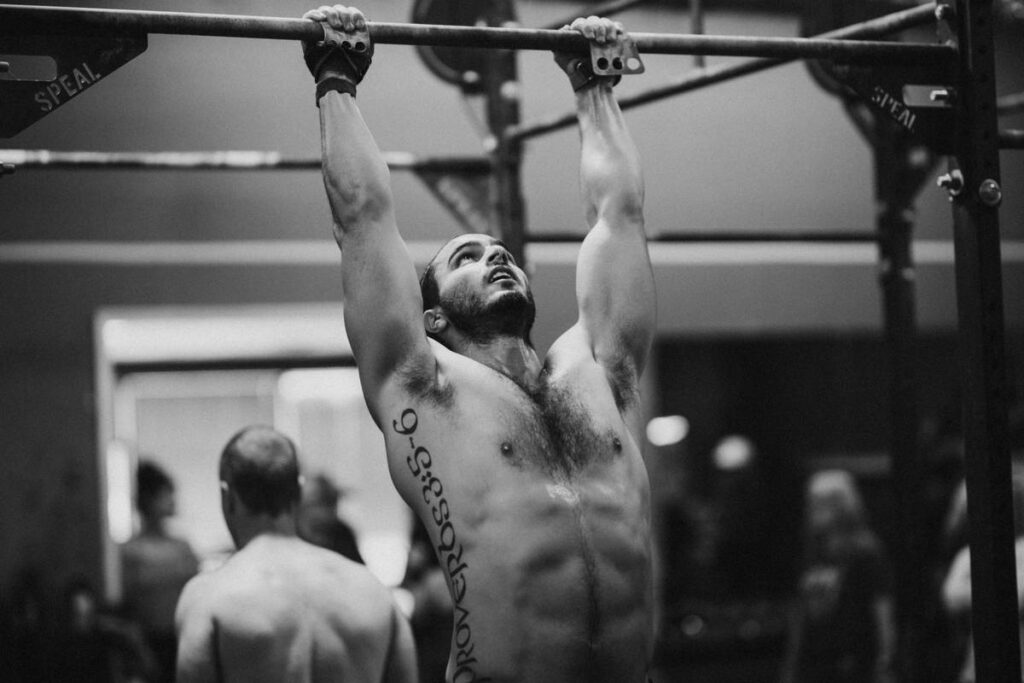
- Pull (inverted row → pull-up)
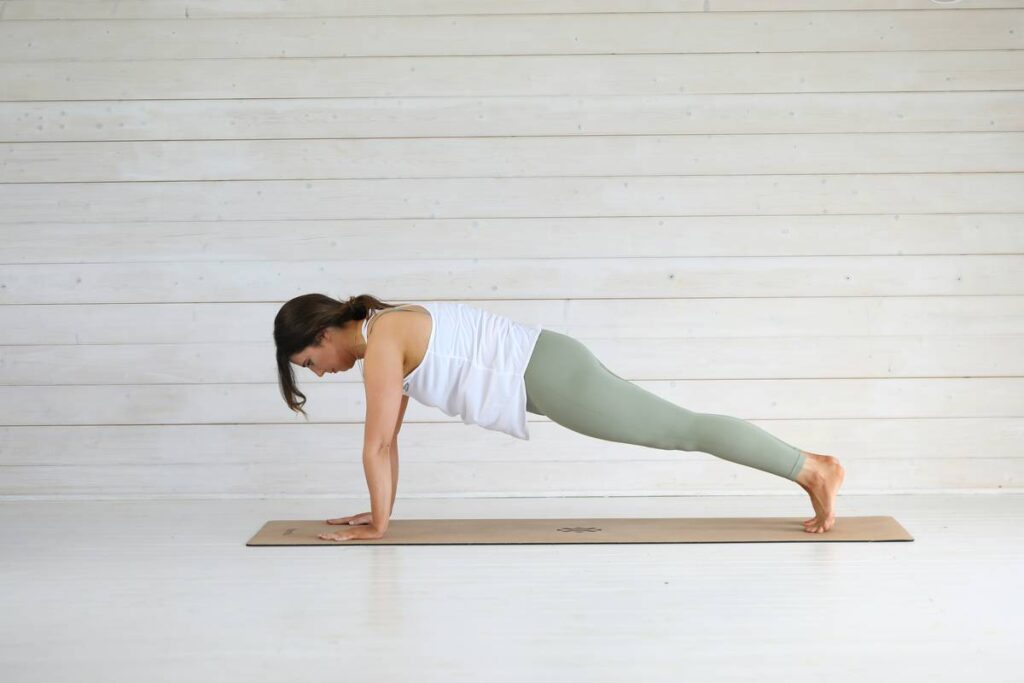
- Carry/Plank (forearm plank → RKC plank)
Step 2: Apply Progressive Overload Weekly
No weights? No problem. Make moves harder by:
- Slowing tempo (3 sec down, 1 sec up)
- Adding pauses (2-sec hold at bottom)
- Reducing base of support (feet together, single-arm)
- Elevating limbs (feet on chair for push-ups)
Step 3: Train Smart, Not Long
Follow this weekly template:
- Mon/Wed/Fri: Full-body circuit (3 rounds: 8–12 reps per move, 60 sec rest)
- Tue/Thu: Light walk + core (planks, leg raises)
- Sat: Active recovery (yoga, stretching)
- Sun: Rest
Top 5 Bodyweight Fat Loss Tips (Backed by Science & Sweat)
- Protein First: Aim for 1.6–2.2g/kg of body weight daily. Muscle preservation is 80% nutrition.
- Track Progress Beyond the Scale: Take weekly photos, measure waist circumference, note strength gains.
- Don’t Skip Pull-Ups: Most home routines are push-heavy. Balance with rows or scapular pulls to avoid hunched posture.
- Sleep Is Non-Negotiable: Poor sleep = elevated cortisol = belly fat retention (Taheri et al., 2004).
- Fasted Workouts Are Optional: No magic here. Do them if you feel energized; skip if dizzy or weak.
The Terrible “Tip” Everyone Believes
“Just do 100 burpees a day!” Nope. High-rep ballistic moves without form lead to burnout, injury, and zero progression. Sustainability beats heroics.
Rant Section: My Pet Peeve
Why do “fitness gurus” post shirtless mirror selfies claiming, “Lost 30 lbs in 30 days with THIS ONE MOVE!”? Real fat loss takes months—not days. If it sounds like a late-night infomercial, run. Your health isn’t a viral hack.
Real Results: Case Studies That Prove It Works
Case Study 1: Maria, 38, lost 22 lbs in 5 months using only bodyweight training. She followed a progressive plan starting with wall push-ups and chair-assisted squats, advancing to full push-ups and jump squats. Key factor? She prioritized protein (120g/day) and slept 7+ hours nightly.
Case Study 2: James, 45, reversed prediabetes and lost 18 lbs in 4 months with daily 20-minute calisthenics circuits. His doctor noted improved insulin sensitivity—likely due to increased muscle glucose uptake from resistance training (Colberg et al., 2016).
Both avoided gyms, supplements, or extreme diets. Just consistency, progression, and patience.
Bodyweight Weight Loss FAQs
Can you really lose weight with only bodyweight exercises?
Yes—if paired with a modest calorie deficit. A 2020 study in Journal of Sports Science & Medicine found participants doing calisthenics 4x/week lost 5.2% body fat over 12 weeks without dietary changes. With smart nutrition, results accelerate.
How many times a week should I do bodyweight workouts for fat loss?
3–5x/week is ideal. Muscles need 48 hours to recover; more isn’t better.
Do I need a pull-up bar?
Highly recommended—but not mandatory. Use sturdy tables for inverted rows, or resistance bands anchored to doors for vertical pulls.
Will I get bulky?
No. Women lack the testosterone for significant hypertrophy. Men will gain lean definition—not “bulk”—without surplus calories and heavy loading.
What if I’m overweight and can’t do push-ups?
Start with wall push-ups or incline push-ups (hands on kitchen counter). Progress as strength builds. Everyone starts somewhere.
Conclusion
Bodyweight weight loss isn’t a shortcut—it’s a smarter path. By building functional strength while shedding fat, you create a body that’s not just lighter, but more capable, resilient, and metabolically healthy.
Forget expensive gear or fleeting trends. Your floor, your body, and a commitment to progressive effort are all you need. Start where you are. Master the basics. Get stronger each week. The scale will follow.
And hey—if you slip up? So what. I once tried “intermittent fasting” while stress-eating an entire loaf of sourdough at 2 a.m. Progress isn’t linear. Just keep showing up.
Like a Tamagotchi, your metabolism needs daily care—not perfection.