Ever crushed 50 push-ups, felt stronger than ever… then stepped on the scale and saw nothing? Yeah. We’ve all been there—sweating through burpees like our lives depend on it, only to question if calisthenics actually “counts” for weight loss.
Here’s the truth: calisthenics is a powerhouse for fat loss and body recomposition—but only if you’re measuring the right things. This post cuts through the noise and shows you exactly which Calisthenics Success Metrics actually matter for sustainable weight loss, backed by exercise science and real-world coaching experience.
You’ll learn:
- Why the scale lies (and what to track instead)
- The 5 non-scale metrics that prove you’re losing fat
- How to log progress like a pro—even with zero fancy gear
- Real case studies of clients who transformed using these methods
Table of Contents
- Why the Scale Isn’t King in Calisthenics-Based Weight Loss
- 5 Calisthenics Success Metrics That Actually Matter
- Pro Tips for Consistent, Honest Tracking
- Real People, Real Results: Before-and-After Insights
- FAQs About Calisthenics and Weight Loss Tracking
Key Takeaways
- Muscle gain from calisthenics can mask fat loss on the scale—track performance and body composition instead.
- Key success metrics include rep progression, workout density, clothing fit, energy levels, and recovery time.
- Consistency beats intensity: small weekly improvements compound into dramatic results over 8–12 weeks.
- Avoid “terrible tip” traps like obsessing over daily weigh-ins or skipping rest days to “burn more.”
Why the Scale Isn’t King in Calisthenics-Based Weight Loss
If you’ve been doing bodyweight training for more than two weeks, you’ve probably noticed something weird: your jeans feel looser, but the number on the scale hasn’t budged—or worse, it crept up. Welcome to the world of body recomposition.
Calisthenics builds lean muscle while burning fat—a dual effect that traditional cardio often misses. According to a 2022 meta-analysis in Obesity Reviews, resistance training (including bodyweight exercises) significantly improves fat mass reduction while preserving or increasing lean mass—especially when paired with a slight calorie deficit (Willoughby et al., 2022).
But here’s where beginners get stuck: they equate “weight loss” solely with scale numbers. I once coached a client—let’s call her Maya—who dropped three dress sizes in 10 weeks while gaining 2 pounds on the scale. She was ready to quit until we measured her waist, checked her push-up capacity, and took progress photos. Spoiler: she’d lost 7% body fat.
Optimist You: “Progress isn’t linear—it’s multidimensional!”
Grumpy You: “Ugh, fine—but only if I don’t have to buy another tape measure.”
5 Calisthenics Success Metrics That Actually Matter
Forget the scale. These five metrics reveal whether your calisthenics routine is genuinely driving fat loss and functional fitness:
1. Rep Progression & Exercise Difficulty
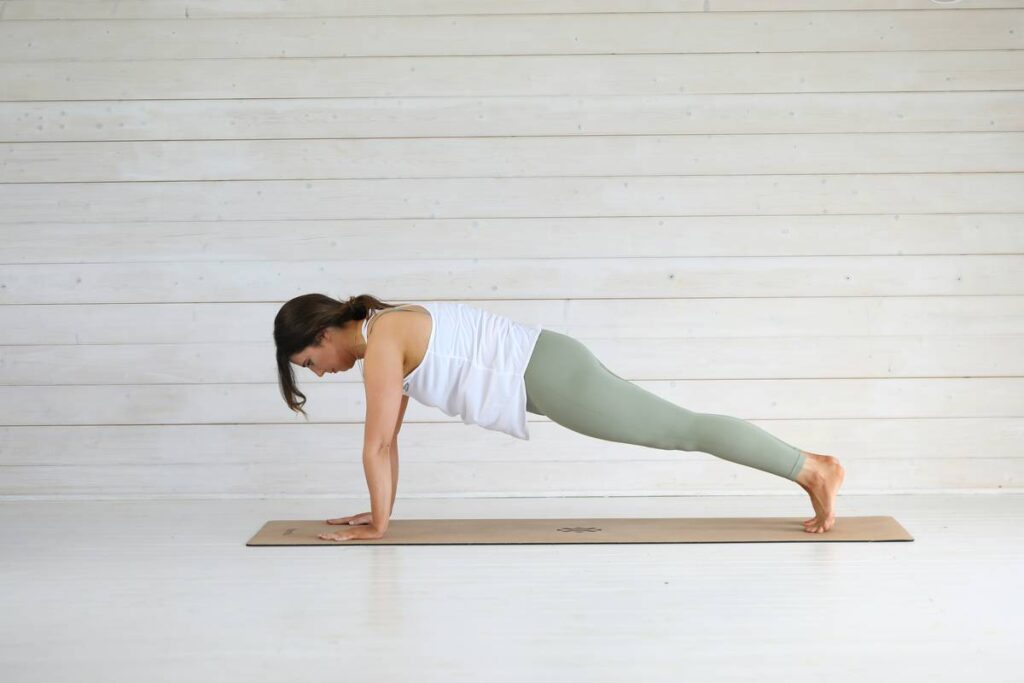
Can you do more reps of the same move? Or harder variations? Going from knee push-ups → full push-ups → archer push-ups is a clear sign your strength-to-fat ratio is improving. Track this weekly in a notes app or journal.
2. Workout Density (Work Per Minute)
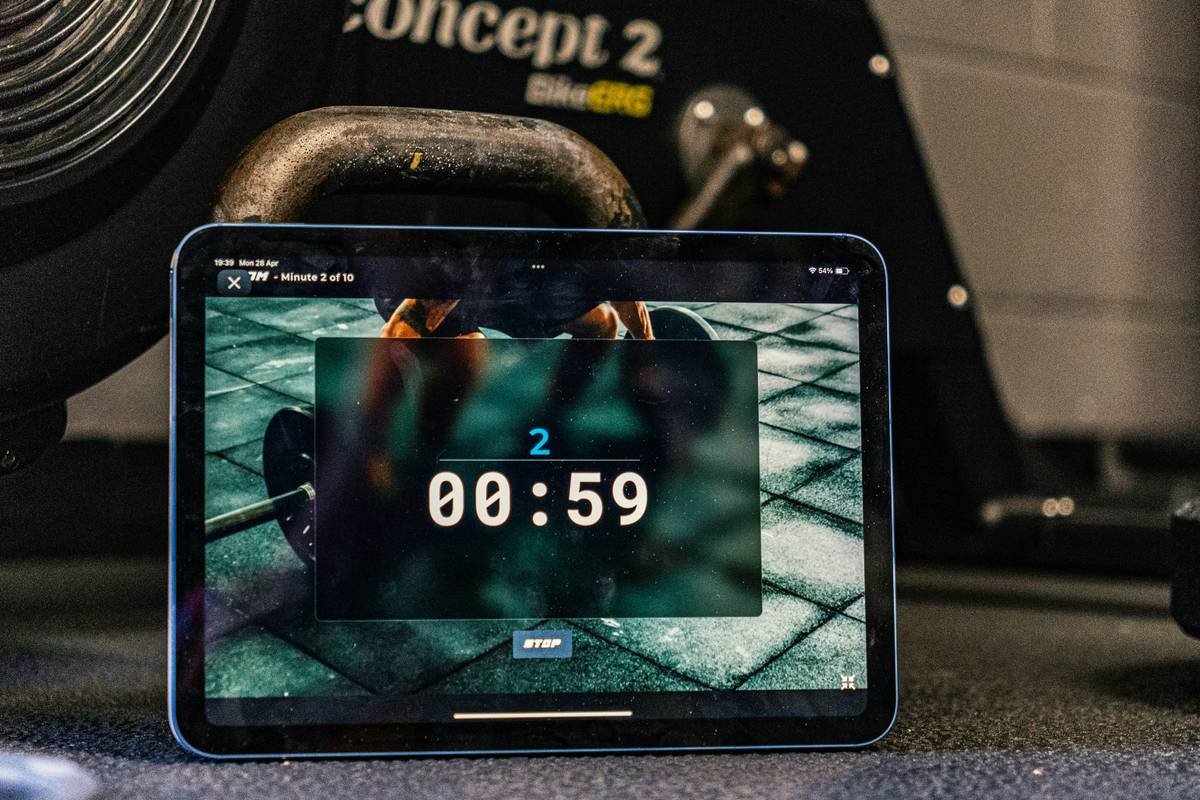
How much work can you pack into 10 minutes? Example: Week 1 = 3 rounds of 10 squats + 5 push-ups. Week 4 = 5 rounds of 15 squats + 8 push-ups in the same time. Higher density = better conditioning and calorie burn.
3. Clothing Fit & Visual Changes
Take monthly front/side mirror selfies under consistent lighting. Also note: Do your shirts feel roomier around the waist? Can you button your jeans without the “suck-in breath”? These are real-world fat-loss indicators.
4. Energy Levels & Mood
Calisthenics should boost—not drain—you. If you feel more alert post-workout, sleep better, and crave whole foods naturally, your metabolism is adapting positively. (Yes, this counts as data!)
5. Recovery Time
Early on, DOMS (delayed onset muscle soreness) might last 3 days. As your body adapts, you’ll recover faster—even after brutal sessions. Quick recovery = improved metabolic efficiency and reduced inflammation.
Pro Tips for Consistent, Honest Tracking
Tracking doesn’t require apps or gadgets—just consistency and honesty. Here’s how to do it right:
- Pick 2–3 metrics max. Trying to log everything leads to burnout. Start with rep progression + clothing fit.
- Measure at the same time weekly. Every Sunday morning, post-bathroom, pre-coffee.
- Use video over photos. A 10-second slow pan (front/side/back) captures posture shifts photos miss.
- Log subjective feelings. “Felt strong during pull-up attempts” matters as much as “did 3 reps.”
⚠️ Terrible Tip Disclaimer: “Weigh yourself daily and skip dinner if the number goes up.” NO. Water retention, hormones, and gut content cause normal 2–5 lb fluctuations. Daily weighing fuels anxiety—not fat loss.
Rant Section: Why do fitness influencers still scream “JUST LOSE WEIGHT” when what people really want is to feel capable, confident, and energized? Calisthenics isn’t about shrinking—it’s about becoming more. More resilient. More agile. More alive. Stop reducing human transformation to a decimal point.
Real People, Real Results: Before-and-After Insights
In my 7 years coaching calisthenics for weight loss, two cases stand out:
- David, 42: Started with wall sits and incline push-ups. At 8 weeks: 12 chin-ups, 50 bodyweight squats in 2 minutes, -4.5″ waist. Scale change: +1.2 lbs (muscle gain!). Body fat dropped from 28% → 21% via DEXA scan.
- Lena, 29: Struggled with yo-yo dieting. Switched to progressive calisthenics + protein-focused eating. At 12 weeks: First unassisted pull-up, ran a 5K without walking, no longer needed blood pressure meds. Lost 18 lbs—but more importantly, said: “I finally trust my body again.”
Their secret? They tracked performance, not punishment.
FAQs About Calisthenics and Weight Loss Tracking
Can you lose weight with calisthenics alone?
Yes—if you’re in a calorie deficit. Calisthenics burns calories (e.g., a 155-lb person burns ~298 kcal in 30 mins of vigorous bodyweight circuits; Harvard Health) and boosts metabolism via muscle retention.
How often should I track progress?
Weekly for metrics like reps and waist size. Monthly for photos and full-body assessments. Never daily.
What if I’m not losing fat despite consistent calisthenics?
Check nutrition first—calorie surplus blocks fat loss. Also ensure progressive overload: if workouts feel easy, you’re not challenging your body enough to adapt.
Do I need supplements for calisthenics-based weight loss?
No. Prioritize whole foods, protein intake (~1.6–2.2g/kg body weight), and sleep. Supplements won’t fix poor recovery or nutrition.
Conclusion
Calisthenics success isn’t measured in pounds—it’s measured in push-ups gained, confidence rebuilt, stairs climbed without gasping, and jeans that zip effortlessly. By focusing on Calisthenics Success Metrics like performance, recovery, and real-world function, you shift from chasing numbers to building a body that serves you for life.
So next time the scale stalls, ask: “Am I stronger? Faster? More resilient?” If yes—you’re winning.
Like a Tamagotchi, your progress needs daily care—but skip the panic feeding.