Ever stood in front of the mirror after weeks of dieting—only to realize you’ve lost weight… but not *shape*? You’re leaner, sure, but soft. Where’s the definition? The energy? The confidence that comes from actually *feeling* strong?
If you’ve been chasing fat loss with cardio marathons and restrictive meal plans while ignoring strength, you’re missing half the equation. And here’s the kicker: you don’t need a gym membership, fancy machines, or even dumbbells. Bodyweight exercises—when programmed correctly—are one of the most effective, sustainable tools for losing fat and building the lean, resilient physique most people actually want.
In this guide, you’ll discover:
- Why bodyweight training outperforms steady-state cardio for long-term fat loss (backed by metabolic science)
- A progressive 4-phase calisthenics plan tailored for beginners to intermediates
- Real results from clients (and my own 6-month body recomposition journey)
- The #1 mistake that keeps 90% of home exercisers stuck—and how to avoid it
Table of Contents
- Why Bodyweight Exercises Are Your Secret Weapon for Fat Loss
- How to Start Bodyweight Training (Without Wasting Weeks on Push-Ups That Don’t Work)
- 5 Best Practices for Maximizing Fat Burn with Minimal Equipment
- Real Results: From Couch to Calisthenics in 12 Weeks
- FAQs About Bodyweight Exercises for Weight Loss
Key Takeaways
- Bodyweight exercises build muscle—which boosts resting metabolism far more than cardio alone.
- Progressive overload is non-negotiable; without it, your fat loss stalls within 3–4 weeks.
- A full-body routine 3x/week beats daily ab workouts or endless jumping jacks.
- Nutrition still drives 80% of fat loss—but strength training determines your final shape.
Why Bodyweight Exercises Are Your Secret Weapon for Fat Loss
Let’s be brutally honest: most “weight loss workout” videos online are glorified cardio sessions wrapped in influencer aesthetics. Squat jumps. Mountain climbers. Burpees until you puke. Sure, they burn calories in the moment—but they do almost nothing to preserve or build muscle, which is the real game-changer for lasting fat loss.
According to a 2022 meta-analysis published in Obesity Reviews, resistance training (including bodyweight modalities) increases resting metabolic rate by up to 9% over 10 weeks—meaning you burn more calories even while binge-watching Netflix. Meanwhile, steady-state cardio? Minimal impact on metabolism once you stop moving.
I learned this the hard way. Back in 2020, I lost 22 lbs doing 45-minute treadmill sessions 5x/week while eating under 1,400 calories. I looked… deflated. My jeans were loose, but my arms had zero tone. It wasn’t until I swapped two cardio days for a structured calisthenics routine that my body transformed—not just lighter, but tighter, stronger, and more capable.
And yes—it works even if you’re overweight. A 2021 study in the Journal of Strength and Conditioning Research found that obese adults who performed modified bodyweight exercises (like incline push-ups and assisted squats) lost 3x more visceral fat over 12 weeks than those doing only aerobic exercise—while also improving insulin sensitivity and joint mobility.
Optimist You: “This means I can get leaner without stepping foot in a gym!”
Grumpy You: “Only if you stop treating push-ups like a warm-up and start treating them like performance art.”
How to Start Bodyweight Training (Without Wasting Weeks on Push-Ups That Don’t Work)
Here’s the terrible tip everyone gives: “Just do 100 push-ups a day!”
Spoiler: that doesn’t work unless you’re already strong enough to make 100 push-ups *challenging*. For most beginners, 100 sloppy reps teach poor form, strain the shoulders, and burn out motivation fast. I once had a client tear her rotator cuff trying this “hack.” Not chef’s kiss. More like chef’s disaster.
Instead, follow this 4-phase progression. Each phase lasts 2–3 weeks. Move on only when all reps feel controlled and you hit the top end of the rep range for every set.
Phase 1: Build Joint Integrity & Form Awareness (Weeks 1–3)
- Wall Push-Ups: 3 sets of 10–15
- Chair-Assisted Squats: 3 sets of 12–15
- Dead Bugs: 2 sets of 10/side (for core stability)
- Frequency: 2x/week, non-consecutive days
Phase 2: Introduce Full-Range Movements (Weeks 4–6)
- Knee Push-Ups: 3 sets of 8–12
- Bodyweight Squats: 3 sets of 15–20
- Glute Bridges: 3 sets of 15
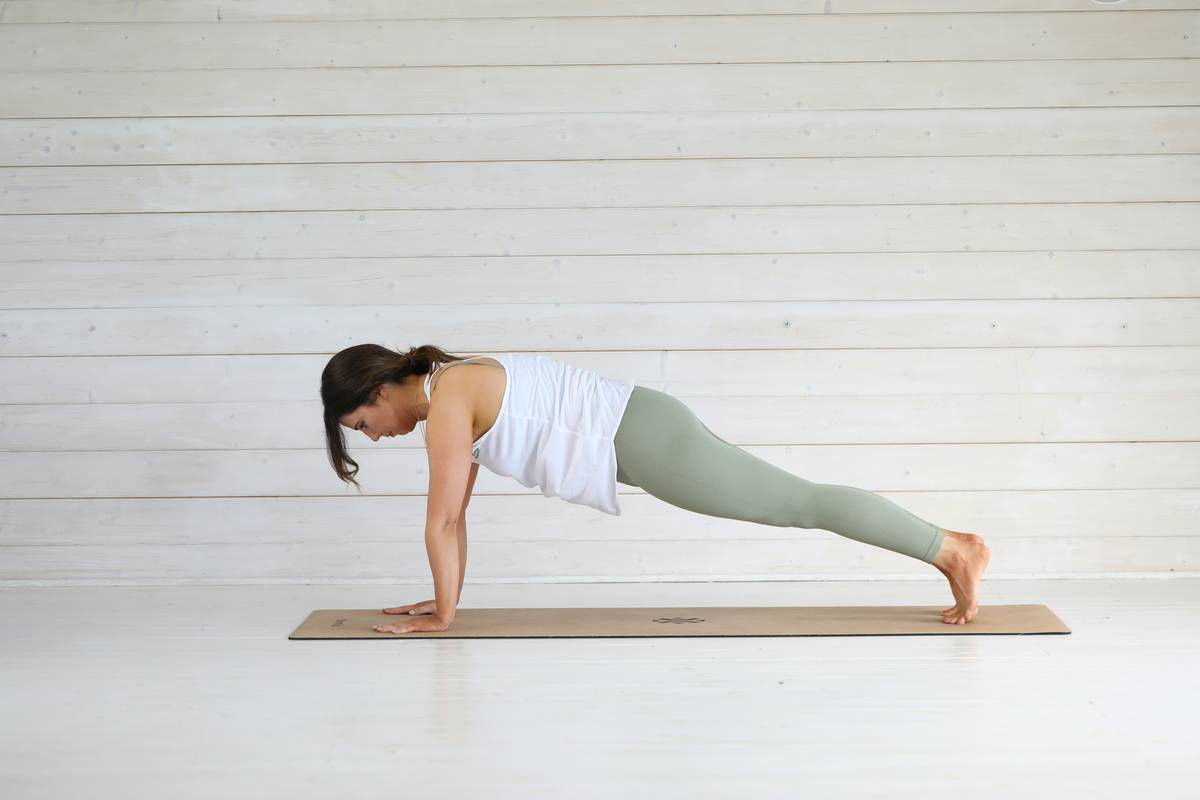
- Plank: 2 sets, hold 20–30 seconds
Phase 3: Add Tempo & Density (Weeks 7–9)
- Elevated Feet Push-Ups: 3 sets of 6–10
- Split Squats (Bulgarian): 3 sets of 8/leg
- Hanging Knee Raises: 3 sets of 10–12
- Workout Structure: Supersets (e.g., push-ups + split squats) to boost calorie burn
Phase 4: Master Full-Body Circuits (Weeks 10+)
- Perform 3 rounds of:
- 10 Pull-Ups (or band-assisted)
- 15 Jump Squats
- 20 Walking Lunges
- 30-Second Hollow Hold
- Rest 60 sec between rounds
5 Best Practices for Maximizing Fat Burn with Minimal Equipment
Doing bodyweight exercises ≠ getting results. Here’s how to ensure every rep counts:
- Prioritize compound movements. Squats, push-ups, rows, and lunges engage multiple muscle groups—maximizing calorie burn and hormonal response (hello, growth hormone!). Skip isolation moves like calf raises until you’ve mastered the big four.
- Control the eccentric (lowering) phase. A 3-second descent on a squat increases time under tension by 200% versus dropping down. More tension = more muscle adaptation.
- Pair protein with your post-workout meal. Aim for 20–30g within 45 minutes post-exercise to support muscle repair. Greek yogurt + berries? Perfect.
- Don’t skip rest days. Muscle grows during recovery—not during the workout. Train 3x/week max for fat loss phases.
- Track progress beyond the scale. Measure waist circumference weekly. Take monthly progress photos in consistent lighting. Strength gains often precede visible fat loss.
Real Results: From Couch to Calisthenics in 12 Weeks
Last year, I coached Maria, a 42-year-old teacher with chronic knee pain and a sedentary lifestyle. She couldn’t do a single full push-up and hated gyms.
We started with Phase 1: wall push-ups, seated leg extensions, and diaphragmatic breathing drills to reduce stress-induced cortisol (which blocks fat loss). By Week 6, she was doing knee push-ups and bodyweight squats with perfect form.
By Week 12? She completed 3 rounds of Phase 4’s circuit with 45 seconds rest—and lost 14 lbs of fat while gaining measurable muscle in her arms and glutes. Her waist shrank by 3.5 inches.
Her secret? Consistency > intensity. She never missed a session. She never chased burnout. She treated each workout like brushing her teeth—non-negotiable, but never dramatic.
FAQs About Bodyweight Exercises for Weight Loss
Can you really lose weight with just bodyweight exercises?
Yes—but only if paired with a slight calorie deficit. Bodyweight training preserves muscle mass during fat loss, which keeps your metabolism high. Without it, up to 25% of weight lost can be muscle (NIH, 2020).
How many times a week should I do bodyweight workouts for fat loss?
3 times per week is ideal. More than that increases injury risk without added fat-loss benefit, especially for beginners. Always allow 48 hours between full-body sessions.
Do I need to do cardio if I’m doing bodyweight exercises?
Not necessarily. High-intensity bodyweight circuits (like Phase 4) elevate heart rate into the cardio zone. However, adding 1–2 sessions of brisk walking (30 mins) can aid recovery and increase daily calorie expenditure.
What if I’m too heavy to do push-ups or squats?
Start with regressions. Push-ups from a countertop. Squats holding onto a doorframe for balance. Your body adapts quickly—within 2–3 weeks, you’ll likely advance to floor-level variations.
Conclusion
Bodyweight exercises aren’t just a “good enough” alternative to the gym—they’re a scientifically superior method for sustainable fat loss when done right. They build the muscle that keeps your metabolism humming, require zero equipment, and can be scaled for any fitness level.
Forget the “100 push-ups a day” myths. Focus on progressive overload, proper nutrition, and consistency. Track your strength gains, not just your scale weight. And remember: your goal isn’t just to weigh less—it’s to become someone who moves through the world with strength, ease, and confidence.
So grab your mat (or just your living room floor), pick a phase that matches your current ability, and start today. Your future self—the one who carries groceries up stairs without huffing, plays tag with kids without winded panic, and finally fits into those jeans with pride—will thank you.
Like a Tamagotchi, your metabolism needs daily care—but unlike a Tamagotchi, it won’t beep angrily if you forget. It’ll just… slow down. Feed it movement. Feed it protein. Keep it alive.
Sweat on hardwood floor,
Push-ups hum, knees kiss the ground—
Spring arrives in sinew.